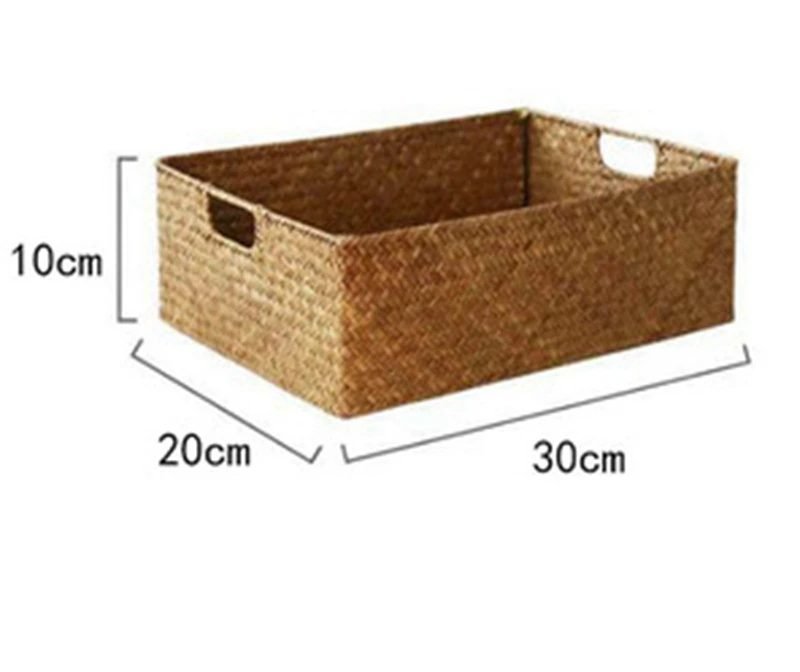
Quick answer: Rattan is a climbing palm, and it is unusually strong for its weight, which is why it holds a rigid shape better than most natural fibres. It suits dry living areas, dislikes damp, and should never be soaked - dust it and spot-clean it instead.
Rattan gets used as a catch-all word for anything woven and brown, which does the material a disservice. It is genuinely distinctive.
What rattan actually is
A climbing palm that grows in tropical forests, harvested as long solid stems.
Unlike bamboo, which is hollow, rattan is solid all the way through. That is why it is strong for its weight and why it can be steamed and bent into shapes that hold - the reason so much cane furniture is made from it.
The outer skin is peeled off in strips for weaving, and the inner core becomes cane. So "cane" and "rattan" come from the same plant at different stages.
How it differs from the others
Versus seagrass. Seagrass is a grass, softer and greener when new, ageing to straw. Rattan is woodier, more uniform and holds a rigid shape better - the seagrass range covers that one.
Versus willow. Willow is springier and more textured. Rattan is smoother and more regular.
Versus wicker. Not a comparison - wicker is the weave, and rattan is one of the materials it can be woven from - the wicker guide explains that.
Versus paper rope. Paper rope looks similar at a glance and is far weaker, and much less tolerant of damp.
What it is good at
Holding shape. A rattan basket stays square when half empty, where softer fibres slump. That matters on an open shelf where the basket is visible.
Strength for weight. It carries more than it looks like it should, which suits blanket and log baskets.
Ageing well. It darkens gently rather than looking tired, and it takes a knock without obvious damage.
Looking warm. It brings texture to rooms that are otherwise flat surfaces and paint.
What it is bad at
Damp. It is plant material. A bathroom that steams daily will shorten its life considerably, and it cannot be washed.
Very heavy contents. Strong for its weight is not the same as strong. Books and tools want something rigid.
Fine detail. The weave is relatively coarse, so small items fall through gaps unless the basket is lined.
Direct sun. It fades and eventually goes brittle, like all natural fibre.
Judging quality
- Squeeze the sides. Good rattan flexes and springs back; poor material creaks and stays deformed.
- Check the rim. Bound or wrapped rims last; tucked strand ends fray, and the rim is what hands lift.
- Look at the base. A framed or reinforced base stops sagging under weight.
- Run a hand inside. Sharp ends catch on clothes and indicate a rushed finish.
- Weight. Real rattan has a certain heft. Something suspiciously light is probably paper rope over wire.
Where it belongs
Living rooms, bedrooms, hallways and shelving - anywhere dry, where the texture is doing visual work as well as holding things.
Large floor baskets for throws and cushions are its best use, since the strength and the shape-holding both matter there - the living room guide covers sizing those.
Where it does not belong: bathrooms that do not air, kitchens near the hob, garages, and anywhere it will be rained on.
Lining it
Worth doing for clothes, bedding or anything small.
A liner stops loose ends catching on knitwear, prevents small items falling through the weave, and can be washed when the basket cannot. It also softens the look.
The trade-off is airflow, so skip the liner on anything that might go in slightly damp.
Care
Dust with a dry brush or a vacuum brush attachment, since the weave holds dust in the gaps and it shows on darker material.
Spot-clean marks with a barely damp cloth, then let it dry fully. Never soak, hose or machine wash it.
If it dries out and creaks in a heated room over winter, a light mist and a slow dry helps a little. Do that sparingly - the care guide covers the rest.
An honest note on our range
We do not currently stock genuine rattan. The closest in look and behaviour is woven fabric and seagrass, which give similar warmth with different properties - the fabric and woven range and a seagrass shelf basket.
If you specifically want genuine rattan, buy it from somewhere that names the material explicitly rather than saying "wicker", because that word covers a very wide range of plants and synthetics and tells you nothing about how the basket will behave.
Browse fabric and woven baskets, seagrass and the full range, with more in the materials guide.
The short version
- Rattan is a solid-stemmed climbing palm - unlike bamboo, which is hollow.
- Cane and rattan come from the same plant; cane is the inner core.
- It holds a rigid shape better than softer fibres, so it stays square when half empty.
- Weight is the quality tell - suspiciously light usually means paper rope over wire.
- It is plant material: keep it dry, dust it, and never soak or machine wash it.
Frequently asked questions
What is rattan made from?
A climbing palm harvested as long solid stems. Unlike bamboo, which is hollow, rattan is solid all the way through, which is why it is strong for its weight and can be bent into shapes that hold.
What is the difference between rattan and wicker?
They are not comparable terms. Wicker is a weaving technique and rattan is one of the materials it can be woven from, alongside willow, seagrass, cane, paper rope and synthetic fibre.
How is rattan different from seagrass?
Seagrass is a grass - softer and greener when new, ageing to a straw colour. Rattan is woodier, more uniform in appearance, and noticeably better at holding a rigid shape when the basket is only half full.
Can rattan baskets go in a bathroom?
Only in one that airs properly, and even then expect a shorter life. Rattan is plant material, so daily steam makes it musty and eventually brittle, and unlike fabric or plastic it cannot be washed.
How do I tell good rattan from cheap?
Squeeze the sides - good rattan flexes and springs back while poor material creaks and stays deformed. Check the rim is bound rather than having tucked ends, and note the weight, since suspiciously light usually means paper rope.